
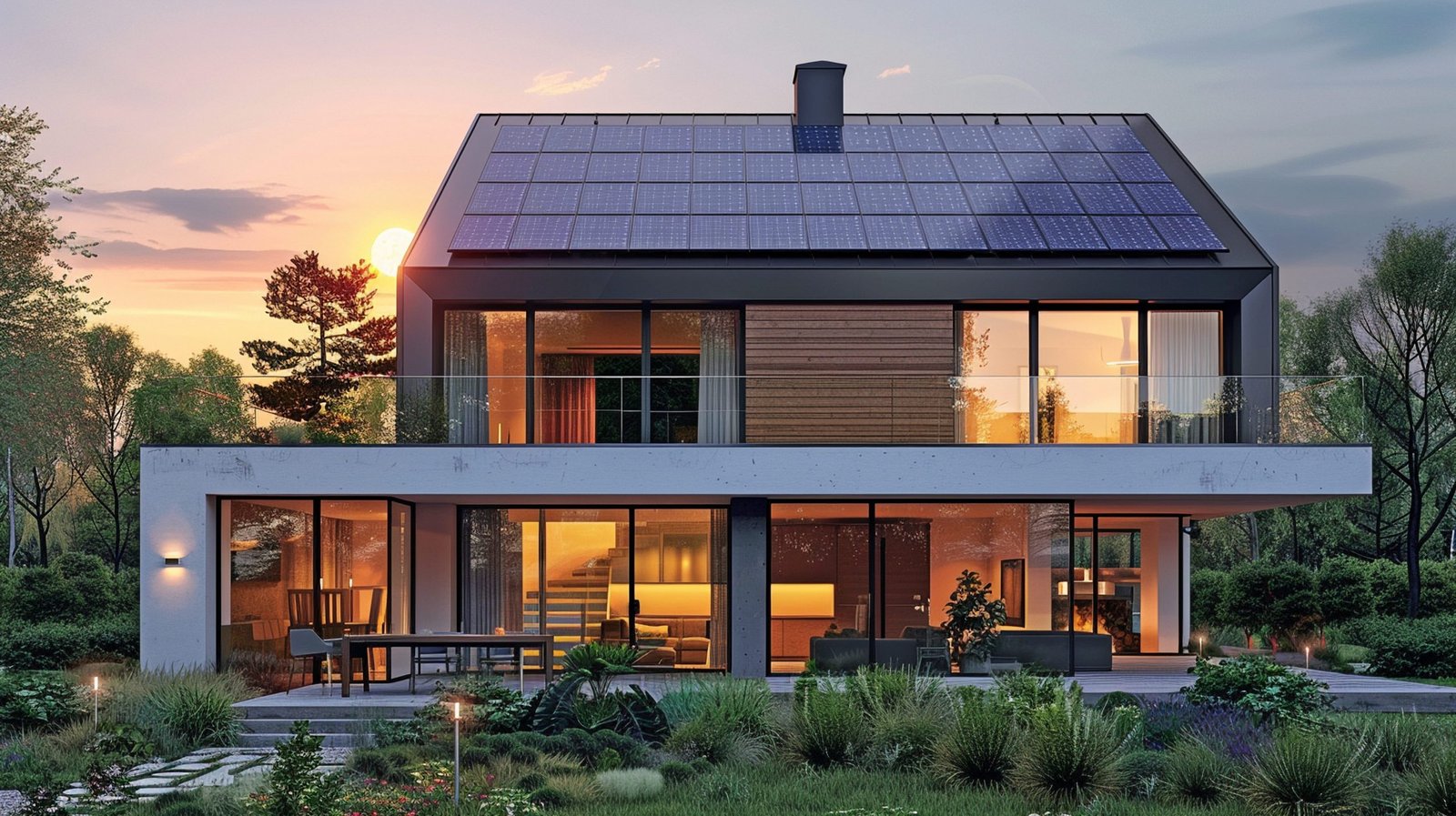
Solar Panels
Solar Designed Around Your Property.
From site evaluation and system design to installation, permitting, inspection, and commissioning, EuroLine coordinates the solar project from start to finish.
More Than Solar Panels. A Complete Project.
A residential solar system involves more than selecting panels. The project needs to be evaluated, designed, permitted, installed, inspected, and commissioned according to the property, equipment, local requirements, and utility process.
EuroLine provides one coordinated point of contact throughout the process — helping move the project from initial consultation through installation and final system handoff.
- Design Project-specific
- Permitted Code-compliant
- Installed Professional
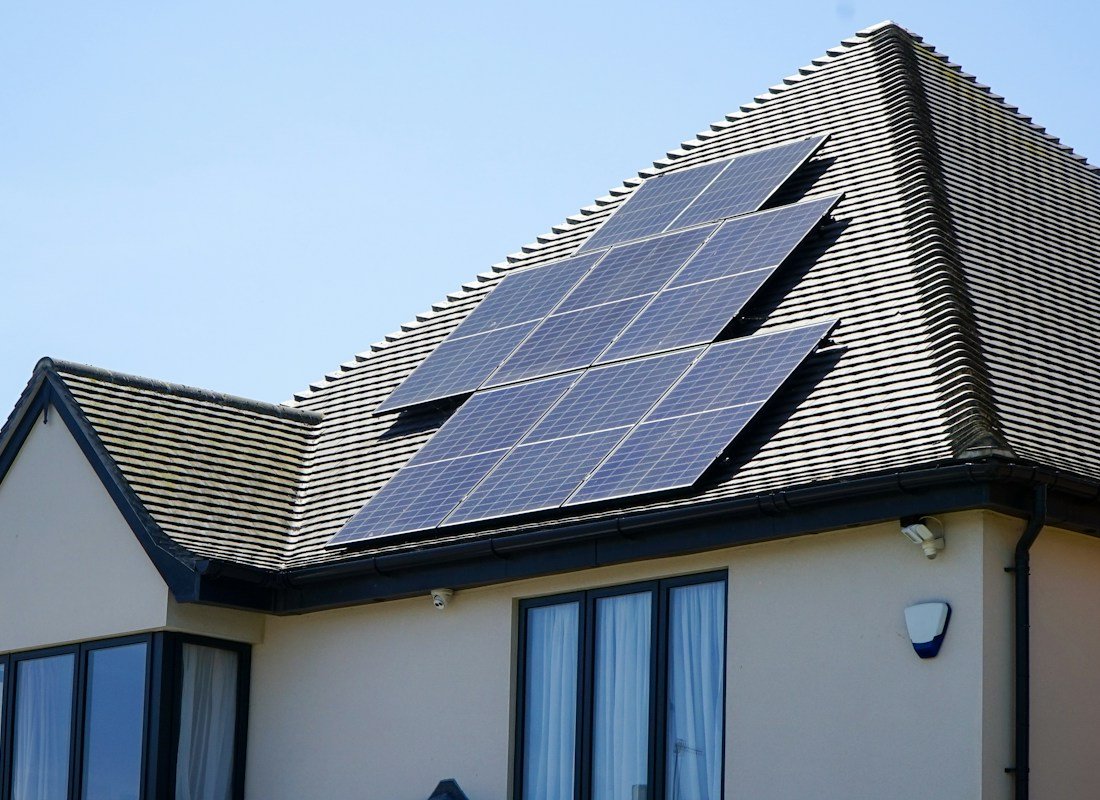
What's Included in a Solar System?
Component selection depends on the project design, property, and applicable requirements.
Start Your Project-

Solar Modules
Solar modules generate DC electricity from sunlight.
-

Inverter
Converts DC electricity into AC electricity used by the home.
-
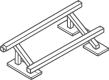
Mounting System
Supports the solar array and connects it to the roof or approved mounting structure.
-

Electrical System
Electrical equipment and balance-of-system components required to connect and protect the system.
-

Battery Backup
Optional energy storage for backup support and load management when included in the project design.
-

Monitoring
System monitoring can provide visibility into system operation and production, where applicable.
- Not every project includes the same components. Specification is confirmed during the project design process.
Installation Starts With the Roof.
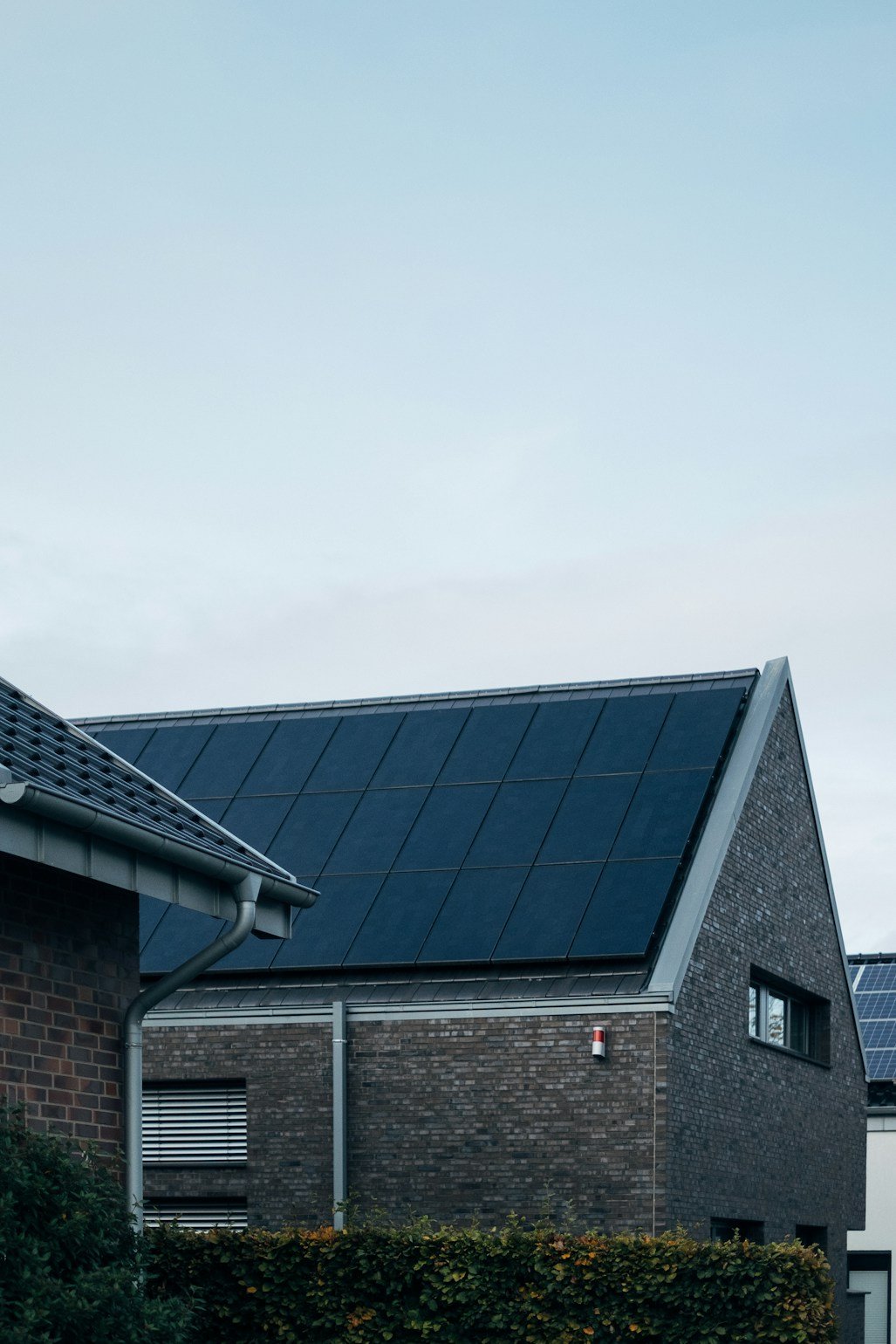
Solar mounting depends on the roof type, structure, roofing material, equipment requirements, and approved project design.
 01
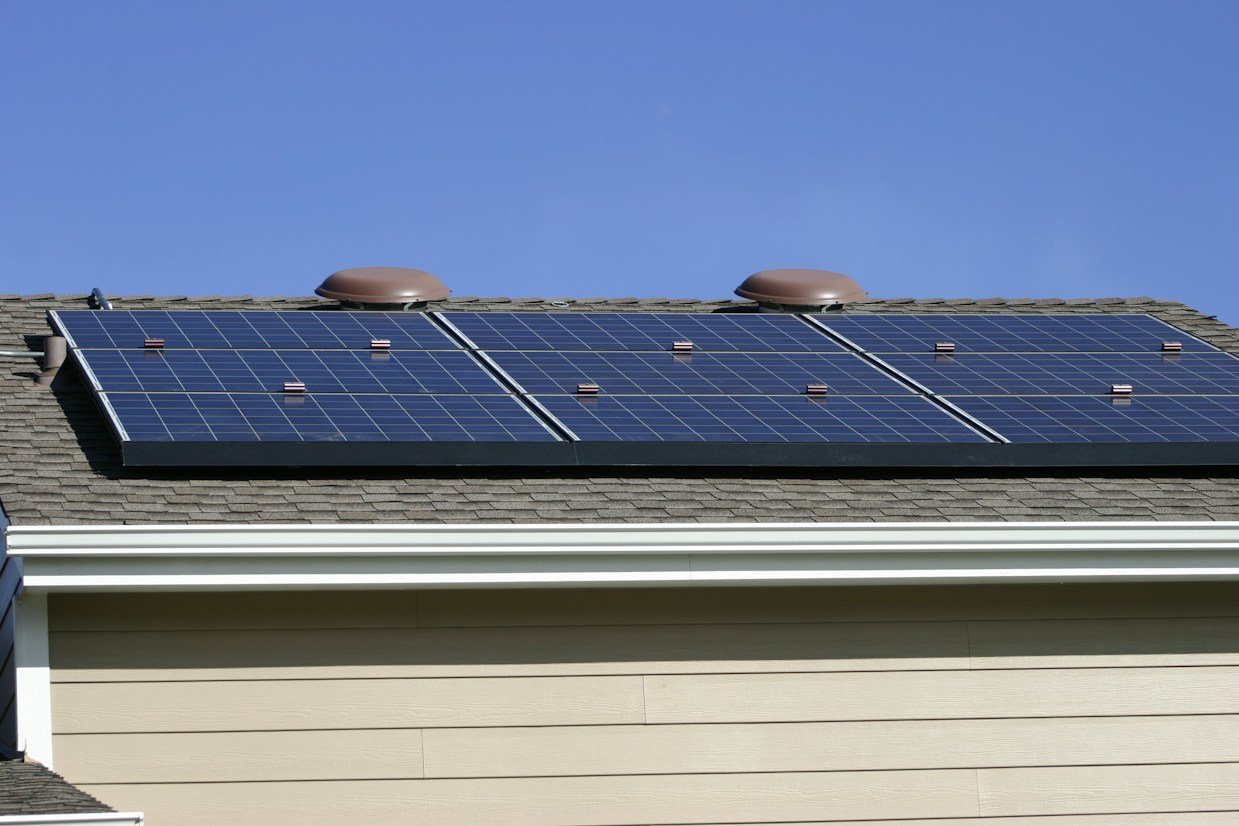
Pitched Roofs
Mounting and attachment methods are selected according to the roofing system, structure, equipment requirements, and applicable standards.
 02
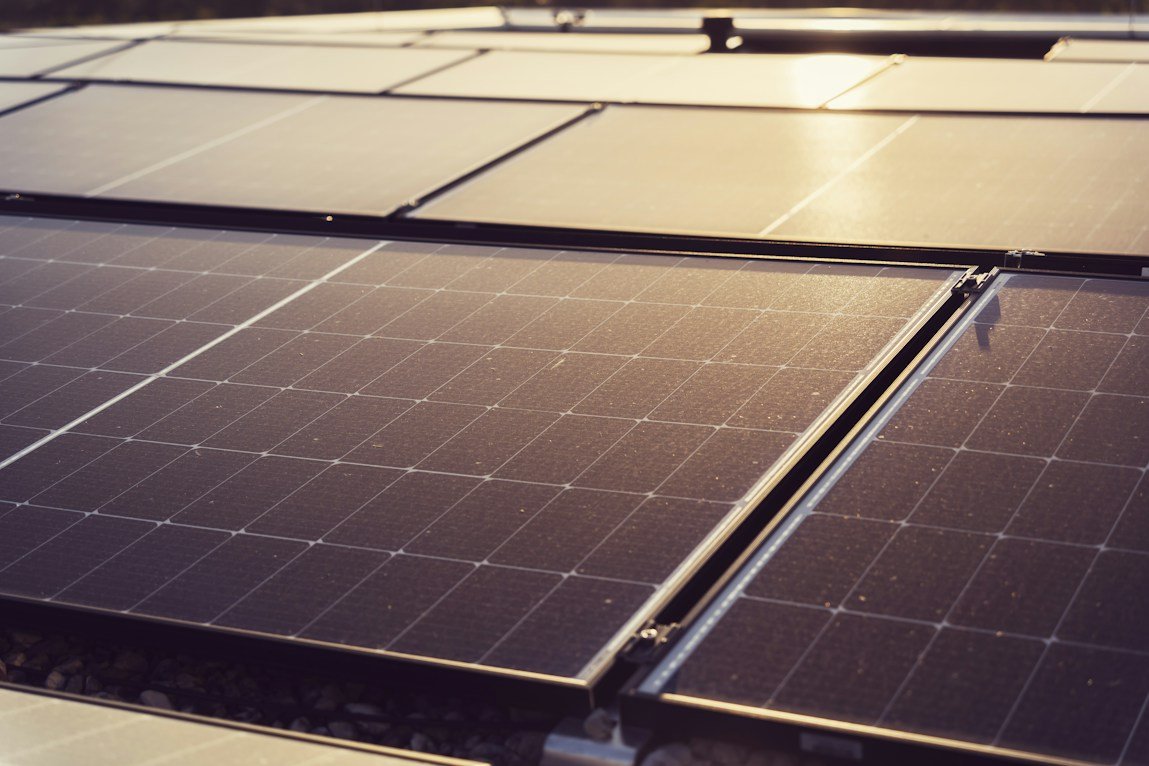
Low-Slope Roofs
System configuration depends on roof conditions, mounting method, structural requirements, and project design.
 03
Flat Roofs
Mounting approach is selected according to roof construction, structural requirements, wind considerations, and approved system design.
How the System Works.
Solar modules generate DC electricity. An inverter converts that electricity to AC power for use in the home. Depending on the system design, excess energy may be sent to a battery or the utility grid.
Standard grid-tied systems generally shut down during a utility outage. Backup power requires a properly configured battery and approved system design.
System configuration depends on the property, equipment selected, utility requirements, and project goals.

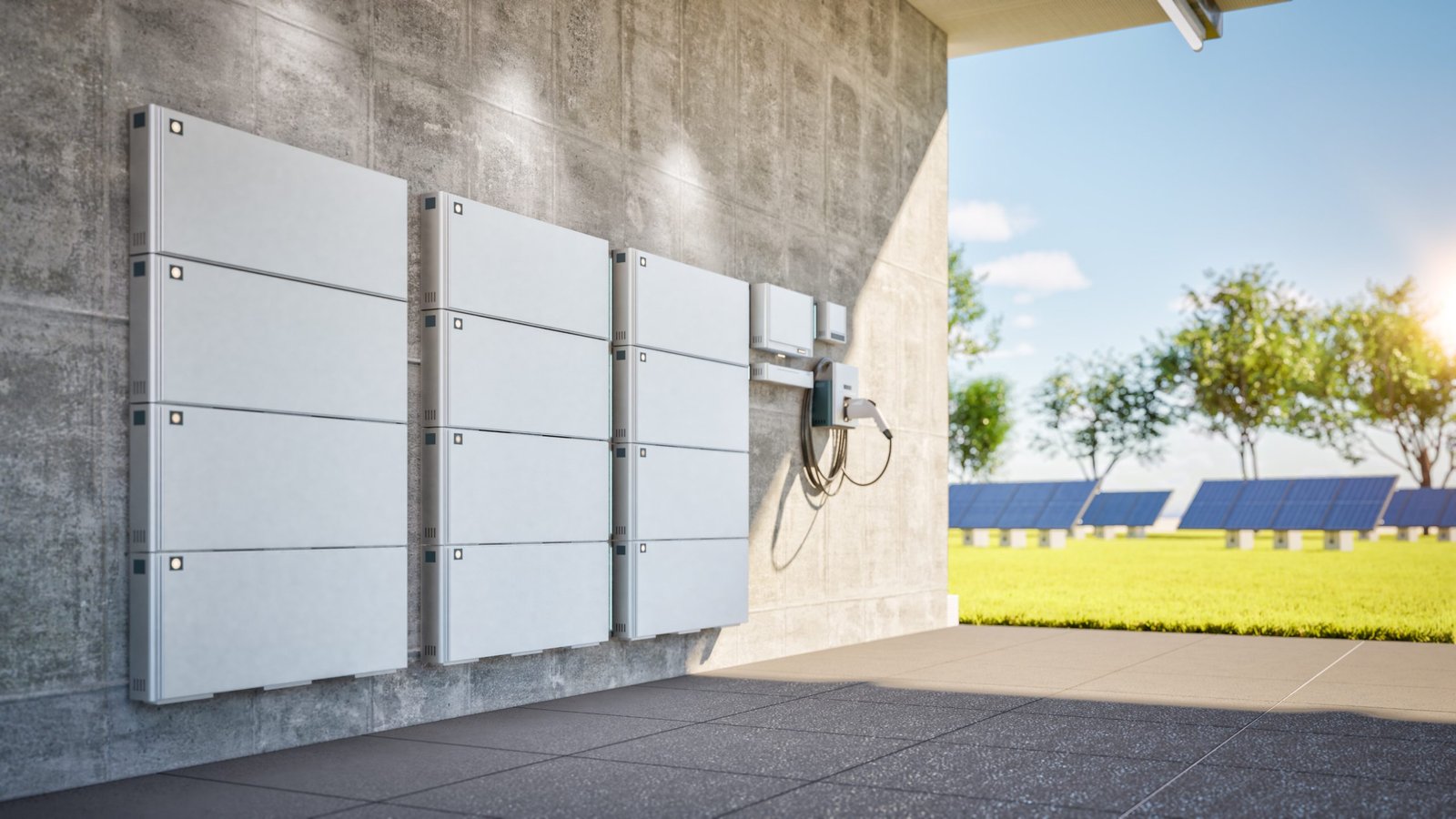
Add Energy Storage When Backup Matters.
Energy Storage
Store solar energy for later use and make it available when your home needs it.
Outage Support
Provide backup power for selected loads when the system is designed and configured for backup operation.
Load Management
Use stored energy according to the project's goals and system configuration.
Installation Quality Matters.
A well-designed solar system also depends on how it is installed. EuroLine's project approach considers structural, electrical, weatherproofing, serviceability, and commissioning requirements.
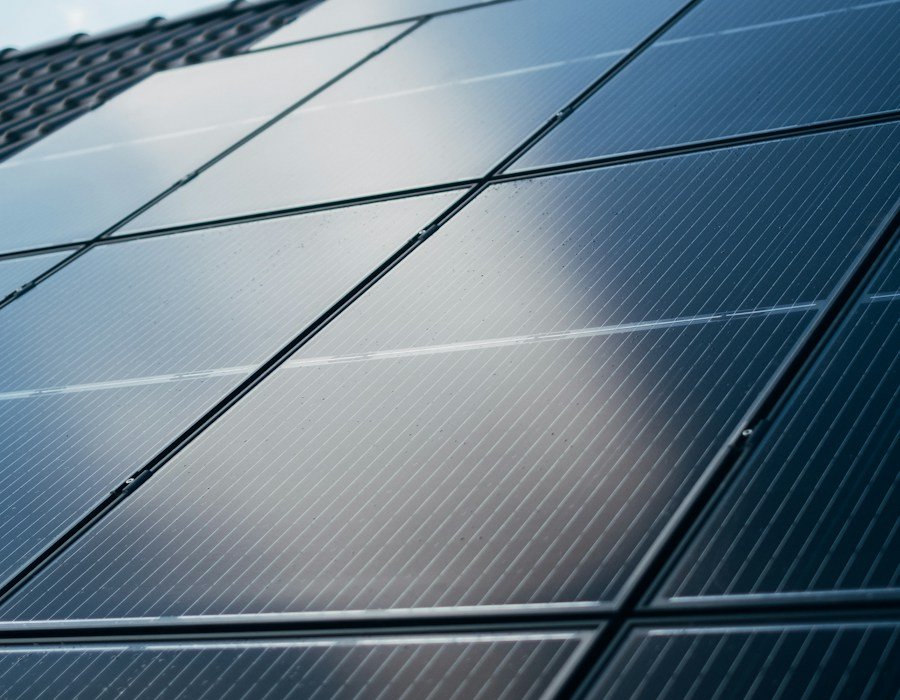
- /01 Structural Secure attachment and project-specific structural considerations.
- /02 Roof + Waterproofing Attention to flashing, roof penetrations, and weatherproofing requirements.
- /03 Electrical Proper electrical integration according to the approved project design.
- /04 Commissioning System testing, monitoring setup where applicable, and final project handoff.
Ready to Transform your Space?
Schedule a complimentary consultation to discuss your vision and discover how we can bring it to life.
Tell us your name and ZIP code to get started. We'll use your information to understand your project and prepare the right next steps.